
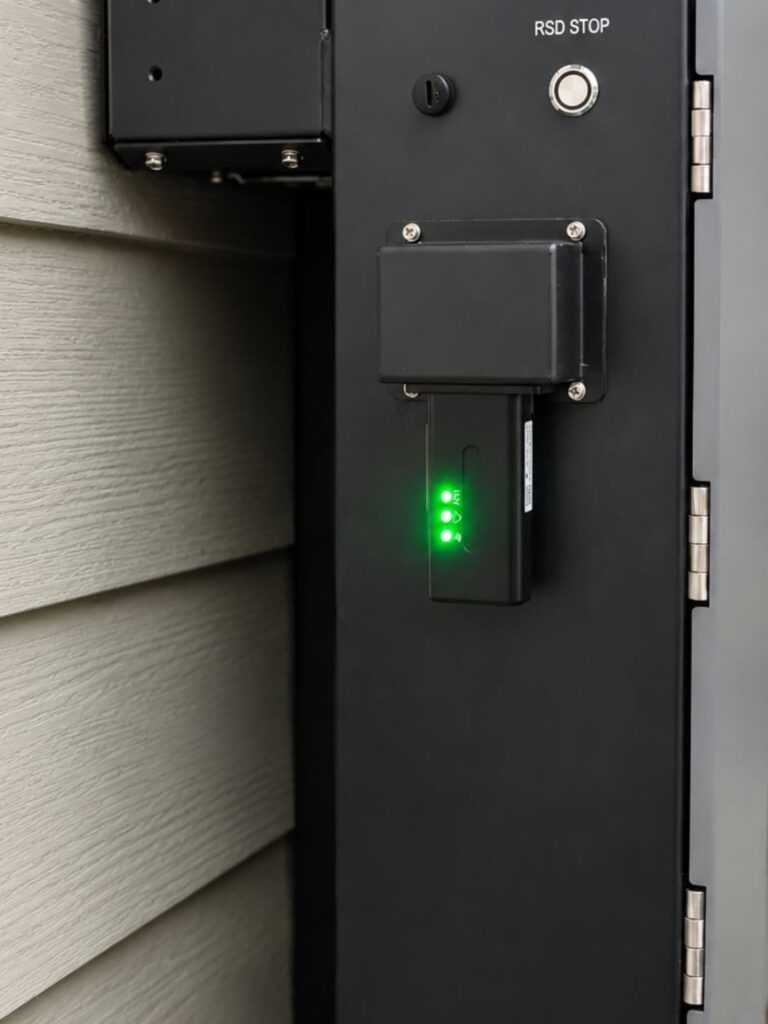
Do I Need a Guardian or Guardian Dongle? Installer Q&A
When designing or servicing a Fortress Power system, choosing the right monitoring setup often comes down to one question: What equipment is already in the system?
The Fortress Power Guardian & Guardian Dongle both connect systems to the Fortress Power monitoring ecosystem, but the right configuration depends on the inverter, battery setup, and level of monitoring required.
Rather than comparing the two device by device, here are answers to the practical questions installers are most likely to run into in the field. When designing or servicing a Fortress Power system, choosing the right monitoring setup often comes down to one question:
What equipment is already in the system?
The Fortress Power Guardian and Guardian Dongle both connect systems to the Fortress Power monitoring ecosystem, but the right configuration depends on the inverter, battery setup, and level of monitoring required. Rather than comparing the two device by device, here are answers to the practical questions installers are most likely to run into in the field.
I already have a Guardian Dongle. Do I also need a Guardian?
In most cases, no. A Guardian and Guardian Dongle should not be installed on the same inverter. Each inverter should use one Fortress Power monitoring device.
The important question is what the Guardian Dongle can access through that particular inverter. On supported G-series equipment with the required internal communication interface, the Guardian Dongle can communicate with both the inverter and batteries. On other compatible Envy configurations, the Dongle primarily communicates through the inverter.
If more detailed battery-level communication is required on a system without that integrated interface, a standalone Guardian may be the better fit.
When should I use the standalone Guardian?
The Guardian is particularly useful for existing installations, retrofit applications, and systems that need direct communication with Fortress batteries.
Because the Guardian acts as a communication bridge between the battery system and compatible Envy inverters, it can bring both sides of the system into the monitoring ecosystem.
A Guardian is a strong fit when the installation requires:
- Detailed battery monitoring
- Battery firmware updates
- Monitoring of both batteries and inverters
- Support for an existing Fortress Power system
- A monitoring solution for a non-G-series configuration
For installers returning to older Fortress Power installations, this also means upgrading monitoring does not necessarily require replacing the existing energy storage equipment.
When does the Guardian Dongle make more sense?
The Guardian Dongle is designed to simplify monitoring on compatible newer Envy inverters.
Because it connects directly to the inverter, it reduces the amount of external monitoring hardware required and provides access to Fortress Power monitoring tools without adding a separate Guardian enclosure. For supported systems, that can mean a cleaner installation and a simpler path to inverter monitoring, firmware management, and remote system visibility.
The exact level of battery visibility depends on the inverter it is connected to.
Why is the Envy Duo 21-G different?
The Envy Duo 21-G changes how the Guardian Dongle communicates with the rest of the system.
An internal communication board connects the inverter, battery BMS, and Guardian Dongle. Instead of the Dongle seeing only the information reported through a standard inverter connection, the integrated architecture allows it to communicate with the battery system as well.
That means installers can access both inverter and battery information without adding a separate standalone Guardian. For projects using the Envy Duo 21-G, the Guardian Dongle is included with the inverter.
What if I’m working on an existing Fortress Power installation?
Start by identifying the inverter and the monitoring hardware already installed.
Existing Guardians can continue to support Fortress systems, making them especially useful for retrofit applications. Depending on the configuration, a Guardian can connect existing batteries and compatible Envy inverters to the current monitoring ecosystem.
No need to replace functioning Guardian hardware simply because newer Guardian Dongle-equipped products are available.
Can I mix Guardians and Guardian Dongles on parallel inverters?
Yes. A system with multiple inverters can use a combination of Guardians and Guardian Dongles. The key rule is that each inverter should use only one monitoring device.
For example, one inverter within a larger installation may use a Guardian while another uses a Guardian Dongle, depending on the equipment and monitoring architecture. This gives installers more flexibility. Whether it be expanding existing systems, or working with multiple generations of Fortress Power equipment.
Can multiple inverters share the same battery bank across different monitoring configurations?
The battery and inverter setup should determine how you monitor the system. For parallel systems, keep each battery bank on either a Guardian or Guardian Dongle communication path. Each monitoring device should have a clear connection to the batteries and inverter it monitors.
For larger or more complex parallel systems, check the system design with Fortress Power before commissioning.
How many Guardians do I need?
For systems using the standalone Guardian, plan for one Guardian per battery bank and one per Envy inverter. In most cases, the number of Guardians will match the number of inverters. Larger parallel systems may require a different setup based on how the batteries and inverters connect.
Can I use the Envy Dongle with a Guardian?
Yes. The Envy Dongle and standalone Guardian can be used within the same system configuration. However, installers should avoid connecting the Guardian to the inverter’s INV485 port when the Envy Dongle is also being used. This can create communication interference.
In this type of configuration, the devices perform different monitoring and communication functions rather than replacing one another.
Where can installers monitor the system after setup?
Installers can access Fortress Power monitoring through a connected ecosystem that includes the Pro App and Keystone Web Portal. These tools provide a centralized place to review system information, support customers, and manage compatible Fortress equipment after installation.
Homeowners can access supported system information through the Owner App, giving installers and system owners visibility through interfaces designed for their respective needs.
Can I remotely update firmware?
Firmware updates depend on the monitoring device and system setup. The standalone Guardian supports battery firmware updates, while the Guardian Dongle supports inverter firmware updates. With the Envy Duo 21-G, the Dongle can also reach the connected batteries through the inverter’s built-in communication board.
Choosing the right monitoring device can make future system updates and support easier.
So, which monitoring setup should I use?
Start with the inverter. If you’re working with an existing installation, non-G-series system, or a project requiring direct battery-level communication, the standalone Guardian may be the right choice. If you’re installing a supported newer Envy inverter designed around the Guardian Dongle, the integrated Dongle configuration can reduce external hardware and simplify monitoring.
With products such as the Envy Duo 21-G, the inverter’s internal communication architecture allows the Dongle to connect both inverter and battery information into the Fortress ecosystem. The devices may look different, but the goal is the same. Give installers better visibility into the equipment they install and a simpler way to support those systems throughout their operating life.
Have questions about the right monitoring configuration for your next installation? Contact the Fortress Power support team for help with system design, setup, updates, or troubleshooting.