
DIY solar is growing for a reason. More homeowners are looking to reduce energy costs, stay powered during outages, and take control of their own systems, without relying entirely on installers.
But here’s the reality: Not every solar battery system is built for DIY. Some are overly complex. Others require multiple platforms just to get up and running. And, many aren’t designed with the homeowner in mind at all. If you’re considering a DIY setup, the system you choose matters just as much as the installation itself.
What Makes a Solar Battery System DIY-Friendly?
Before choosing a system, it’s important to understand what actually makes one easier to install and manage. A strong DIY-friendly system should be:
- Straightforward to install
- Built as an integrated solution
- Easy to monitor in real time
- Scalable as your needs grow
If any of these are missing, the process becomes more complicated than it needs to be.
1) An Integrated System That Works Together
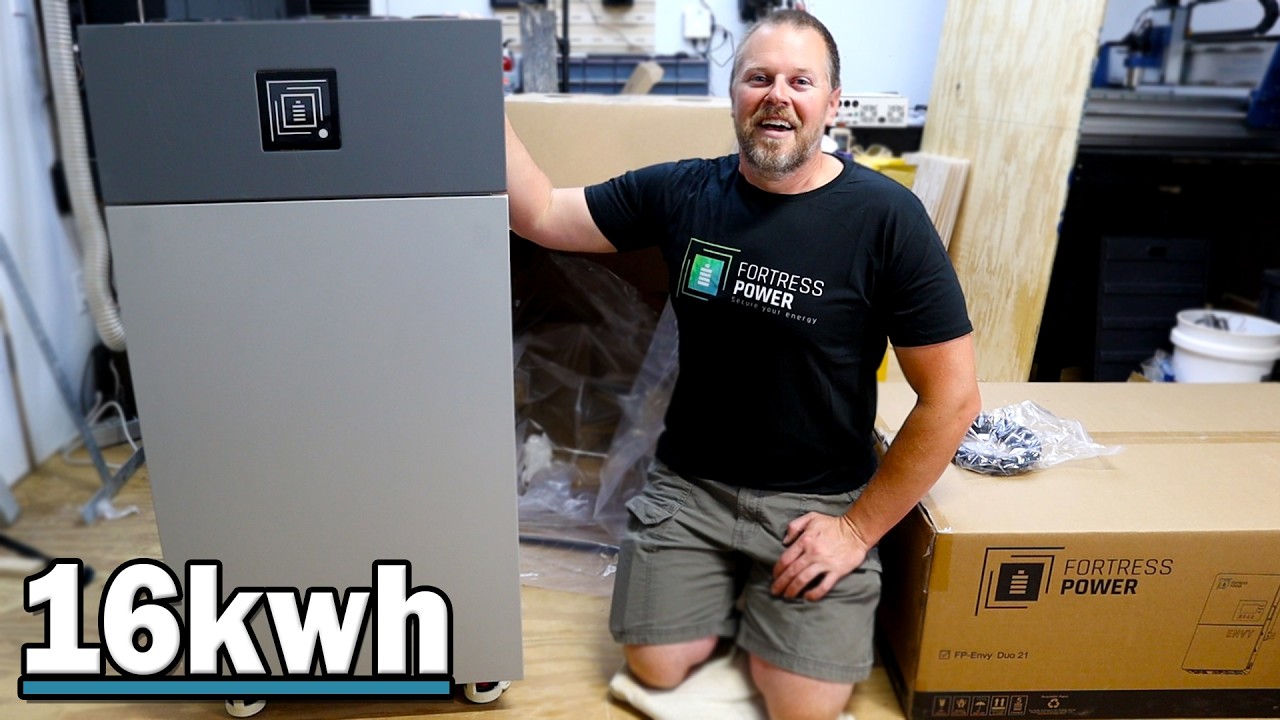
One of the biggest challenges in DIY solar is trying to piece together components that weren’t designed to work as a single system. With Fortress Power, pairing an inverter like the Envy series with storage such as the eBoost 16 kWh battery creates a more streamlined setup. Instead of managing multiple platforms and compatibility issues, you’re working within a system designed to function together from the start. That means:
- Fewer installation headaches
- Cleaner system design
- Less time spent troubleshooting
2) Faster, Guided Setup
Getting a system online is where many DIY projects stall. Fortress Power simplifies this process with guided commissioning, helping walk users through setup step by step. Rather than relying on trial and error, homeowners can follow a structured process that reduces mistakes and speeds up installation.
For DIY users, that clarity makes a big difference.
3) Real-Time Monitoring That’s Easy to Use
Once your system is running, understanding how it performs is just as important as getting it installed. With the Fortress Power Owner App, homeowners can track:
- Solar production
- Battery charge levels
- Home energy usage
- Backup status
All in one place. This level of visibility allows DIY users to stay informed and make adjustments as needed, without needing outside support.
4) Built to Scale Over Time
Many DIY systems aren’t built all at once. Homeowners often start with a smaller setup, then expand as their energy needs grow. With scalable options like the eBoost or eForce batteries, Fortress Power systems allow you to add capacity over time without rebuilding your entire system.
That flexibility makes it easier to start now and grow later.
Common DIY Solar Mistakes (and How to Avoid Them)
Even with the right equipment, planning matters. Here are a few common mistakes DIY installers run into:
- Choosing systems that aren’t integrated
Leads to compatibility issues and added complexity - Undersizing the system
Not accounting for peak usage or backup needs - Skipping monitoring tools
Limits your ability to track performance and optimize usage - Not planning for expansion
Forces costly upgrades later
Starting with a system designed to work together helps avoid most of these issues from the beginning.
Is a DIY Solar Battery System Right for You?
DIY installation isn’t for everyone, but it can be a strong option if you:
- Have basic electrical knowledge
- Prefer a hands-on approach
- Want to reduce installation costs
- Are comfortable learning as you go
For many homeowners, it’s not about replacing professionals entirely. It’s about having more control over the process. See how Fortress Power helps homeowners and installers design reliable, scalable energy systems built for independence. Learn more today.


