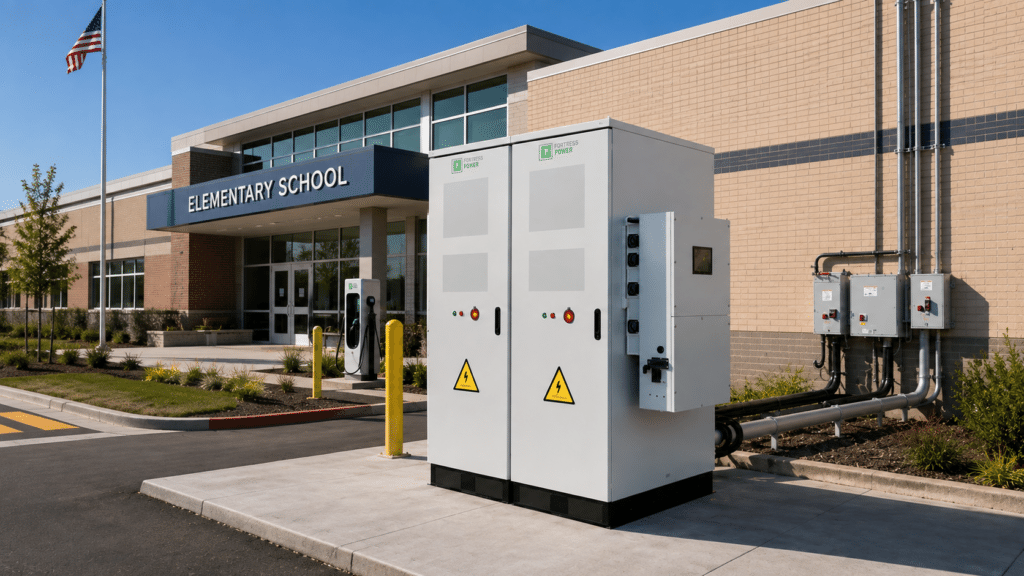
As demand for commercial energy storage continues to grow, many residential solar installers are looking to expand into commercial and industrial (C&I) projects. But for many, the biggest obstacle isn’t finding customers—it’s the perception that commercial systems are too complex to design, install, and commission. The reality is that commercial energy storage doesn’t have to be intimidating.
The Fortress Power eSpire Nano was developed to simplify commercial deployments while delivering the flexibility businesses need to manage energy costs, improve resilience, and prepare for future growth. Whether you’re installing a system for a small business, municipal building, school, farm, or retail facility, understanding a few key design principles can make the transition into C&I much more approachable.
Start with the Right Foundation
Every eSpire Nano system is built around two primary components:
- A high-performance hybrid inverter
- A modular lithium battery system
Together, they create a scalable commercial energy storage solution capable of supporting everything from backup power to advanced energy management strategies. Available in multiple inverter and battery configurations, the Nano can be tailored to meet the specific needs of each project rather than forcing every installation into a one-size-fits-all design.
Flexibility Is One of Its Biggest Advantages
No two commercial facilities have identical energy requirements. Some prioritize backup power during outages. Others want to reduce demand charges or optimize energy usage based on utility rates. Many require a combination of all three. The Nano supports:
- Backup power
- Self-consumption
- Peak shaving
- Time-of-use optimization
- Generator integration
- AC- and DC-coupled solar
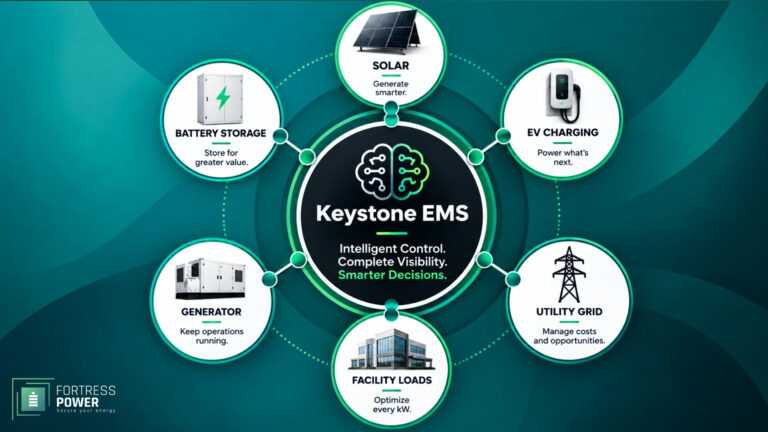
- Advanced Energy Management System (EMS) functionality
This flexibility allows installers to design systems around customer goals while leaving room for future expansion.
Design for Today—And Tomorrow
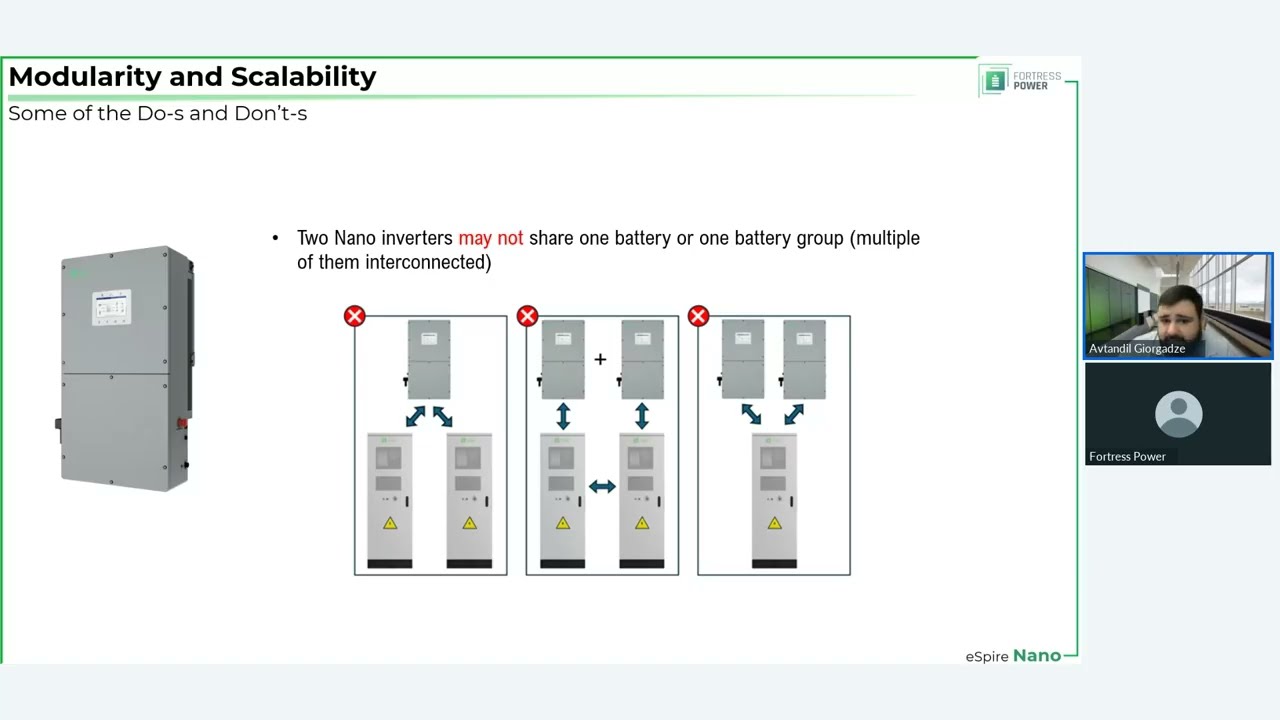
One of the biggest differences between residential and commercial installations is planning for future growth. Businesses often expand operations, increase electrical loads, or add equipment years after an energy storage system is installed. The Nano’s modular architecture allows installers to begin with a system sized for today’s needs while maintaining the ability to scale battery capacity and inverter output as customer requirements evolve. Instead of replacing an entire system, installers can build with expansion in mind from day one.
Proper System Design Matters
A flexible platform also requires thoughtful system design. When configuring a Nano installation, installers should consider:
- Selecting the appropriate inverter model for the site’s electrical service
- Matching PV strings correctly across MPPTs
- Planning proportional PV distribution when battery capacities differ
- Following recommended wall mounting and clearance requirements
- Ensuring adequate airflow for long-term performance
- Verifying proper phase rotation during commissioning
Taking time to address these considerations during system design helps improve efficiency, reliability, and overall system performance.
Simplifying Commercial Installation
Commercial projects don’t have to involve unnecessary complexity. The eSpire Nano integrates features that reduce installation time while helping streamline commissioning, including:
- Built-in MPPTs
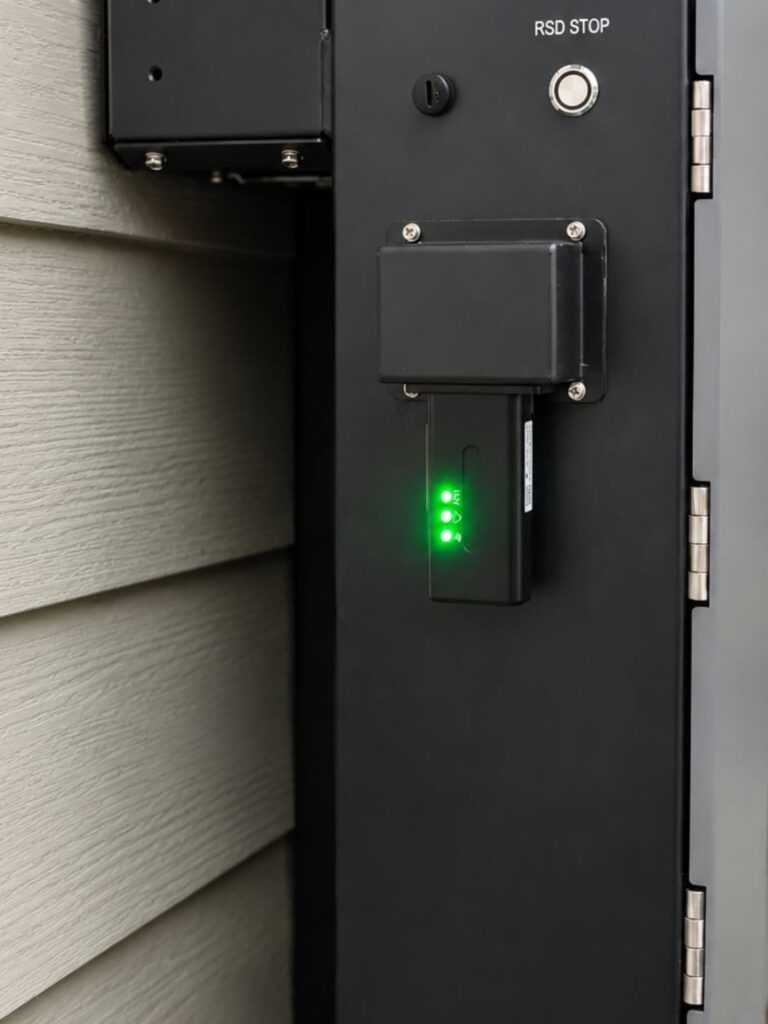
- Integrated rapid shutdown transmitter
- Dedicated generator connectivity
- Smart load functionality
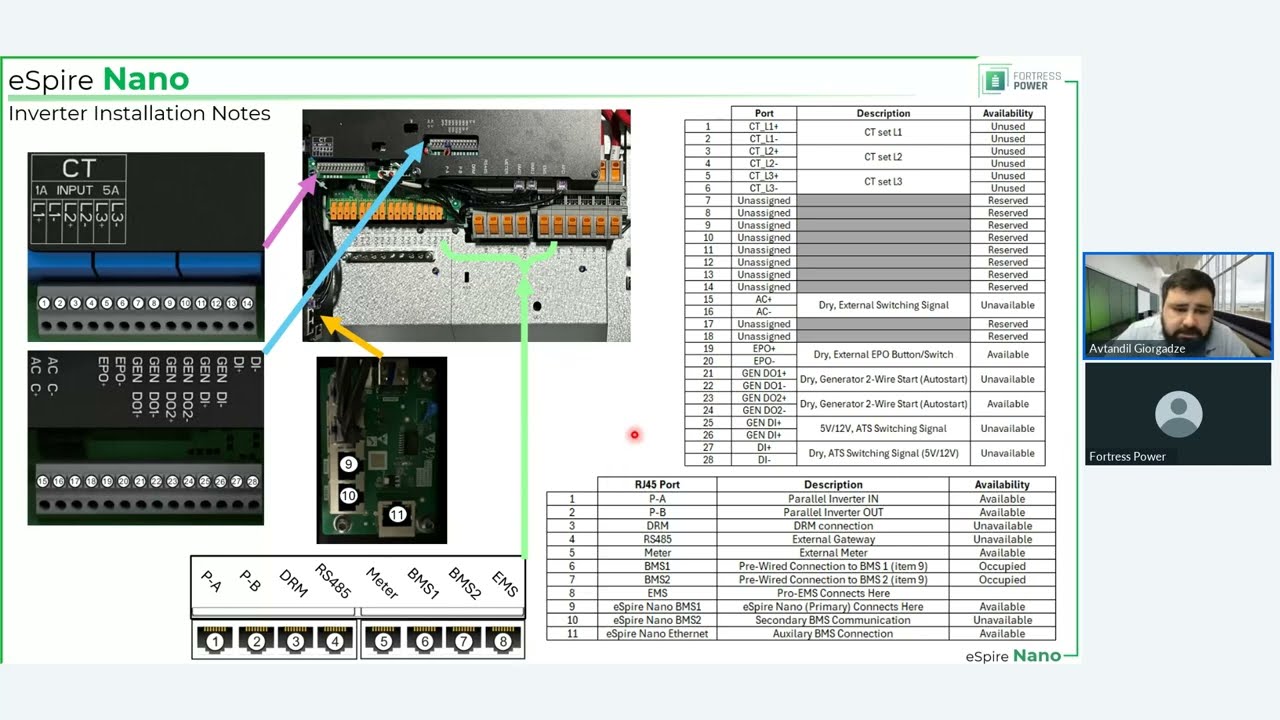
- Simplified communication architecture
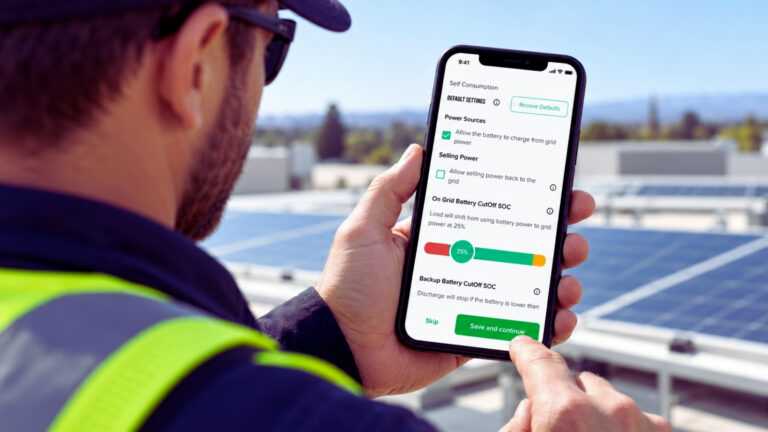
- Guided commissioning through the Fortress Power Pro App
By reducing the number of external components and simplifying configuration, installers can spend less time troubleshooting and more time delivering completed projects.
A Practical Entry Point into Commercial Energy Storage
Many installers assume their first commercial project needs to be a large warehouse or industrial facility. In reality, some of the best opportunities are much smaller. Medical offices, restaurants, farms, schools, retail stores, and municipal buildings all have growing demand for reliable backup power and energy cost management. With a modular design, flexible operating modes, and scalable architecture, the Nano provides an approachable pathway for installers ready to expand beyond residential energy storage. Learn more today.