May 2026

DIY Solar Sizing Made Simple: How to Choose the Right Battery Backup System

For many homeowners and DIY solar enthusiasts, one of the biggest challenges isn’t deciding whether to add battery storage — it’s figuring out what size system they actually need.

Too small, and the system may not provide enough backup power during outages. Too large, and homeowners can end up overspending on capacity they may never use.

Proper system sizing plays a major role in performance, reliability, and long-term value. Whether you’re building an off-grid setup for a workshop, adding backup power to your home, or planning a complete solar-plus-storage system, understanding the basics of sizing can help you make smarter energy decisions.

Why System Sizing Matters

Every home uses energy differently. A small cabin with a few lights and appliances has very different energy demands than a large home running HVAC systems, well pumps, EV chargers, and multiple refrigerators.

Battery storage systems are designed around:

  • Energy consumption
  • Peak power demands
  • Backup duration goals
  • Solar production
  • Critical load priorities

The goal is to build a system that supports your energy needs without unnecessary complexity or overspending.

Critical Loads vs Whole-Home Backup

One of the first decisions homeowners should make is whether they want to backup critical loads only or the entire home. Critical loads typically include:

  • Refrigerators
  • Internet and communication devices
  • Medical equipment
  • Lighting
  • Small appliances
  • Security systems

Whole-home backup may also include:

  • HVAC systems
  • Electric water heaters
  • Pool equipment
  • EV charging
  • Large appliances

The more devices you want to power during an outage, the larger the battery and inverter system required.

Understanding Battery Capacity

Battery capacity is commonly measured in kilowatt-hours (kWh). This determines how much energy your system can store and deliver over time. For example:

  • A smaller backup setup may only require enough storage to power essential loads overnight.
  • A larger whole-home system may require significantly more storage to support longer outages or higher energy usage.

But capacity alone doesn’t tell the full story.

Inverter Sizing Matters Too

While batteries store energy, the inverter controls how much power can be delivered at one time. This is important because some appliances require high startup power, even if they don’t use large amounts of energy continuously.

A properly sized inverter helps ensure the system can handle:

  • Simultaneous appliance usage
  • Motor startup loads
  • Surge demands
  • Off-grid operation

Balancing battery storage and inverter output is one of the most important parts of designing a reliable solar-plus-storage system.

Common DIY Solar Sizing Mistakes

Many DIY users accidentally:

  • Underestimate appliance usage
  • Forget about startup surges
  • Oversize systems unnecessarily
  • Choose mismatched batteries and inverters
  • Plan only for today’s energy needs without future expansion in mind

As energy costs continue to rise and more homeowners add electric vehicles, home offices, and electrified appliances, scalability is becoming increasingly important.

Simplifying the Process With the Fortress Power System Recommendation Tool

System sizing doesn’t have to involve complicated spreadsheets or guesswork.

The new Fortress Power System Recommendation Tool helps homeowners, installers, and DIY users quickly build technically accurate solar-plus-storage recommendations based on real project inputs.

The tool helps simplify:

  • Battery sizing
  • Inverter matching
  • Backup power planning
  • On-grid and off-grid configurations
  • Critical load and whole-home backup scenarios


View this post on Instagram


A post shared by Fortress Power (@fortresspower)

Users can input installation details, load requirements, and project goals to generate engineering-backed recommendations in minutes. Whether you’re planning a simple backup system or designing a larger energy storage setup, the tool helps streamline the path from idea to implementation.

Building Smarter Energy Systems

Battery storage is becoming an increasingly important part of modern energy planning. But successful projects start with proper sizing.

Understanding your energy goals, backup priorities, and long-term needs can help you build a system that delivers reliable performance and long-term value. For homeowners and DIY users looking to simplify the process, the Fortress Power System Recommendation Tool offers a faster, more approachable way to explore the right energy storage solution for their project. Get started today.

What Business Owners Should Know About Keystone EMS

Commercial energy storage is evolving beyond simple backup power. Today’s businesses are looking for smarter ways to reduce operating costs, manage energy usage, improve resilience, and gain better visibility into how their facilities consume power.

Keystone EMS is designed to help commercial and industrial (C&I) operators monitor, automate, and optimize energy storage systems through one centralized platform.

What Is Keystone EMS?

Fortress Power’s Keystone EMS is an energy management platform built for commercial energy storage applications. It gives businesses real-time visibility into site performance while helping automate energy strategies that support lower utility costs and improved operational efficiency. From live monitoring and alarm management to fleet oversight and automated dispatch scheduling, Keystone EMS helps businesses make more informed energy decisions without adding operational complexity.

Real-Time Monitoring and System Visibility

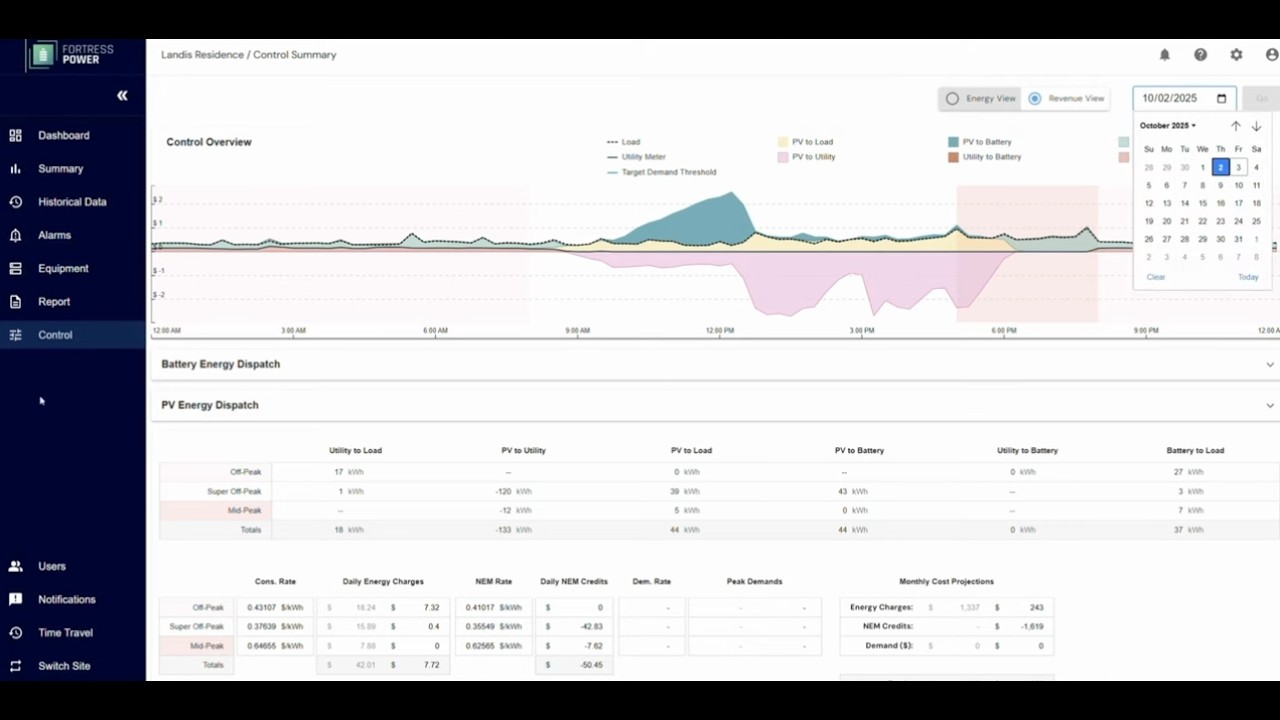
At the center of Keystone EMS is a live dashboard that shows how energy is flowing throughout the site in real time. Users can monitor energy movement between solar, battery storage, facility loads, and the utility grid from one interface.

The platform also includes a 24-hour operational summary that visualizes:

  • Building load consumption
  • Solar production
  • Battery charging and discharging
  • Utility import and export activity

Instead of waiting for monthly utility bills, businesses can track system performance as it happens and better understand where energy costs are coming from.

For facility managers, operators, and energy teams, this level of visibility can help identify:

  • Peak demand periods
  • Opportunities for load shifting
  • Solar utilization trends
  • Storage performance over time
Historical Data and Reporting Tools

Keystone EMS includes detailed historical data tracking, allowing users to review trends across custom timeframes and compare operational data side by side. Users can:

  • Create custom charts
  • Compare multiple datasets
  • Export data as CSV files
  • Generate downloadable reports

The platform can also automatically generate and email PDF reports directly to users. These reporting capabilities are especially valuable for:

  • Commercial building operators
  • Energy managers
  • EPCs and installers
  • Multi-site portfolio management
  • Sustainability and energy performance tracking
Alarm Management and Notifications

Operational reliability is critical in commercial environments. Keystone features active alarm monitoring and historical alarm tracking to help teams respond quickly when issues occur. Users can:

  • Review alarm history
  • Add notes to alarms
  • Acknowledge events
  • Search alarms by equipment or timeframe

The notifications system also allows alerts to be configured through email or SMS, helping ensure the right personnel are informed immediately when operational events occur.

Fleet Management Across Multiple Sites

For organizations managing multiple commercial locations, Keystone EMS includes a fleet management dashboard that provides visibility across an entire portfolio of systems. Users can filter sites by:

  • Region
  • Customer
  • Site type

Each site dashboard displays key operational information including:

  • State of charge
  • PV generation
  • Power flow
  • Active alarms

This centralized view makes it easier to monitor performance across distributed energy assets and quickly identify systems that may require attention.

Automated Energy Optimization

One of the platform’s most powerful capabilities is the schedule builder, which allows businesses to automate charging and discharging strategies based on operational goals.

Users can configure strategies such as:

  • Fixed output
  • Demand reduction
  • Maximize PV self-consumption

For example, demand reduction mode can automatically charge and discharge batteries to help facilities stay below utility demand thresholds and reduce costly demand charges.

Users can also define operating constraints including:

  • Minimum and maximum state of charge
  • Inverter output limits
  • Schedule duration and repeat settings

Once schedules are configured, the system automatically manages dispatch behavior based on the selected strategy.

Designed for Modern Commercial Energy Storage

As businesses continue adopting solar and battery storage, energy management platforms are becoming an increasingly important part of commercial energy infrastructure.

Keystone EMS combines monitoring, reporting, automation, and fleet management into one platform designed to simplify commercial energy operations. For businesses looking to improve energy visibility, reduce operational costs, and better manage distributed storage assets, Keystone provides the tools to make energy systems more intelligent, efficient, and proactive. Learn more today.

How a California Quick Service Restaurant Reduced Costs by 50% with Energy Storage

When a quick service restaurant in Oceanside, California wanted to lower operating costs while improving sustainability efforts, the goal extended beyond a single solar installation. Instead, the project was designed to serve as a scalable model for future locations across a larger national portfolio.

To help achieve that vision, the site deployed the Fortress Power eSpire Mini alongside solar PV, creating a compact commercial energy storage solution built to support long-term savings, improve energy management, and simplify future expansion.

Project Overview

The project paired solar PV with the Fortress Power eSpire Mini 30 kW / 81 kWh commercial energy storage system to help lower electricity costs, reduce peak demand charges, and support the company’s renewable energy goals.

Project Details
  • Utility Territory: Southern California Edison (SCE)
  • Solution: Fortress Power eSpire Mini 30 kW / 81 kWh
  • System Components: Battery Energy Storage System (BESS), Energy Management System (EMS), Solar PV
  • Applications: Peak shaving, demand mitigation, SGIP incentives, Virtual Power Plant (VPP) participation
The Challenge

As the site added Level 3 EV charging infrastructure, energy demand continued to rise, putting increased pressure on utility costs and overall site reliability. In addition, rolling blackouts and ongoing grid instability in California created further operational concerns. Because of this, the customer needed a solution that could:

  • Improve charging reliability
  • Reduce expensive utility demand charges
  • Support backup power capabilities
  • Increase overall system resiliency
  • Improve long-term project ROI
  • Integrate with existing solar and EV charging infrastructure

As charging demand continued to increase, scalable energy management became essential.

The Solution: Fortress Power eSpire Mini

To meet those goals, the project deployed the Fortress Power eSpire Mini, an all-in-one commercial energy storage solution designed for small to mid-sized commercial applications.

Often described as a “microgrid in a box,” the eSpire Mini combines energy storage, controls, and energy management into a streamlined platform built for faster deployment and simplified operation.

Why the eSpire Mini Was the Right Fit

The eSpire Mini offered several advantages for the project:

  • Compact all-in-one system architecture
  • Native 208V AC operation without an external transformer
  • DC-coupled solar capability
  • Integrated EMS functionality
  • Peak shaving and grid services support
  • Simplified commissioning and deployment
  • Scalable design for multi-site rollouts

The system also eliminated the need for separate PV inverters, helping simplify the installation while reducing overall system complexity.

Smarter Commercial Energy Management

The combination of solar PV and energy storage allows the restaurant to manage electricity usage more strategically throughout the day.

Using the integrated EMS platform, the system can:

  • Reduce peak demand charges
  • Optimize energy consumption during high-cost utility periods
  • Store excess solar production for later use
  • Support grid-interactive programs and incentives
  • Improve overall operational efficiency

This creates a more resilient and cost-effective energy strategy while helping the customer maximize the value of its solar investment.

Results

The installation delivered measurable financial and operational benefits for the customer.

Key Outcomes
  • Approximately 50% reduction in electric bills
  • Estimated 2.5-year payback period
  • Four-month project delivery timeline from purchase order
  • Improved sustainability performance
  • Scalable deployment model for future restaurant locations

This project demonstrated how commercial energy storage can help restaurant operators reduce operational costs while supporting broader energy and sustainability initiatives across large portfolios.

Why Energy Storage Makes Sense for Restaurants

Quick service restaurants are increasingly turning to battery energy storage systems to help offset rising utility costs and improve energy efficiency. Commercial energy storage systems can help restaurants:

  • Reduce expensive demand charges
  • Maximize solar energy usage
  • Improve backup resilience
  • Participate in utility incentive programs
  • Create more predictable operating costs

For businesses operating across multiple locations, scalable systems like the eSpire Mini also make it easier to standardize energy infrastructure across an entire portfolio.

Learn More About Fortress Power Commercial Energy Storage

Looking to reduce operating costs & improve energy efficiency across your commercial properties? Fortress Power commercial energy storage solutions are designed for scalable deployment, simplified energy management, and long-term savings. Get started today.

EV Charging Hub Improves Reliability + Reduces Demand Charges with Energy Storage

Level 3 EV charging infrastructure can place massive demand on the grid, especially at high-traffic charging depots where reliability is non-negotiable.

For this California-based bus charging depot, rising utility costs and grid instability were creating operational challenges that solar alone could not solve. The site needed a smarter energy strategy capable of supporting high-demand charging loads while improving resiliency and long-term project economics.

To meet those goals, the project deployed a Fortress Power eSpire commercial battery energy storage system paired with Keystone EMS.

Project Overview

Located in PG&E territory in California, the project combined battery energy storage, energy management software, solar PV, and EV charging infrastructure into a grid-tied resiliency solution designed to support a high-demand bus charging depot.

Project Details
  • Location: California (PG&E territory)
  • Solution: Fortress Power eSpire 125 kW / 233 kWh
  • System Components: Battery Energy Storage System (BESS), Keystone EMS, Solar PV, EV Chargers
  • Applications: Resiliency, demand mitigation, SGIP incentives, Virtual Power Plant (VPP) participation
The Challenge

The site experienced increasing energy demand due to Level 3 EV charging infrastructure, creating significant pressure on utility costs and overall site reliability. At the same time, rolling blackouts and grid instability in California created additional operational concerns. The customer needed a solution that could:

  • Improve charging reliability
  • Reduce expensive utility demand charges
  • Support backup power capabilities
  • Increase overall system resiliency
  • Improve long-term project ROI
  • Integrate with existing solar and EV charging infrastructure

As charging demand continued to increase, scalable energy management became essential.

The Solution: Fortress Power eSpire + Keystone EMS

To address these challenges, the site installed a Fortress Power all-in-one eSpire commercial battery energy storage system integrated with Keystone EMS.

The system was added after the original solar PV and Level 3 charging infrastructure had already been commissioned, allowing the customer to improve site performance without replacing existing infrastructure.

Why the eSpire System Was the Right Fit

The Fortress Power eSpire solution helped the customer:

  • Improve site resiliency
  • Reduce peak demand charges
  • Optimize EV charging loads
  • Unlock additional ROI through EMS-enabled grid services
  • Support utility incentive programs
  • Simplify system management through integrated controls

By combining battery storage with intelligent energy management, the system allows the charging hub to operate more efficiently during periods of high demand while improving overall reliability.

Smarter Energy Management for EV Charging Infrastructure

EV charging sites can create major spikes in electricity demand, especially when multiple Level 3 chargers operate simultaneously. Without battery storage, those spikes often result in expensive utility demand charges and added strain on the grid. Using Keystone EMS, the site can intelligently manage energy usage by:

  • Reducing peak demand during charging periods
  • Storing excess solar energy for later use
  • Improving backup capabilities during outages
  • Supporting grid-interactive energy programs
  • Optimizing overall charging efficiency

This creates a more stable and predictable operating environment for both the customer and the charging infrastructure.

Results

The project delivered both operational and financial improvements for the customer.

Key Outcomes
  • Improved reliability and resiliency for EV charging operations
  • Reduced utility demand charges
  • All-in-one hardware and software solution for simplified deployment
  • Estimated payback period of less than six years
  • Project delivery completed in under six months from purchase order

The installation demonstrates how commercial battery energy storage can help EV charging infrastructure operators manage growing power demand while improving long-term system performance.

Learn More About Fortress Power Commercial Energy Storage

Looking to reduce operating costs and improve energy efficiency across your commercial properties? Fortress Power commercial energy storage solutions are designed for scalable deployment, simplified energy management, and long-term savings. Get started today.

eSpire Nano Standard vs Pro EMS: Choosing the Right Commercial Energy Storage Package

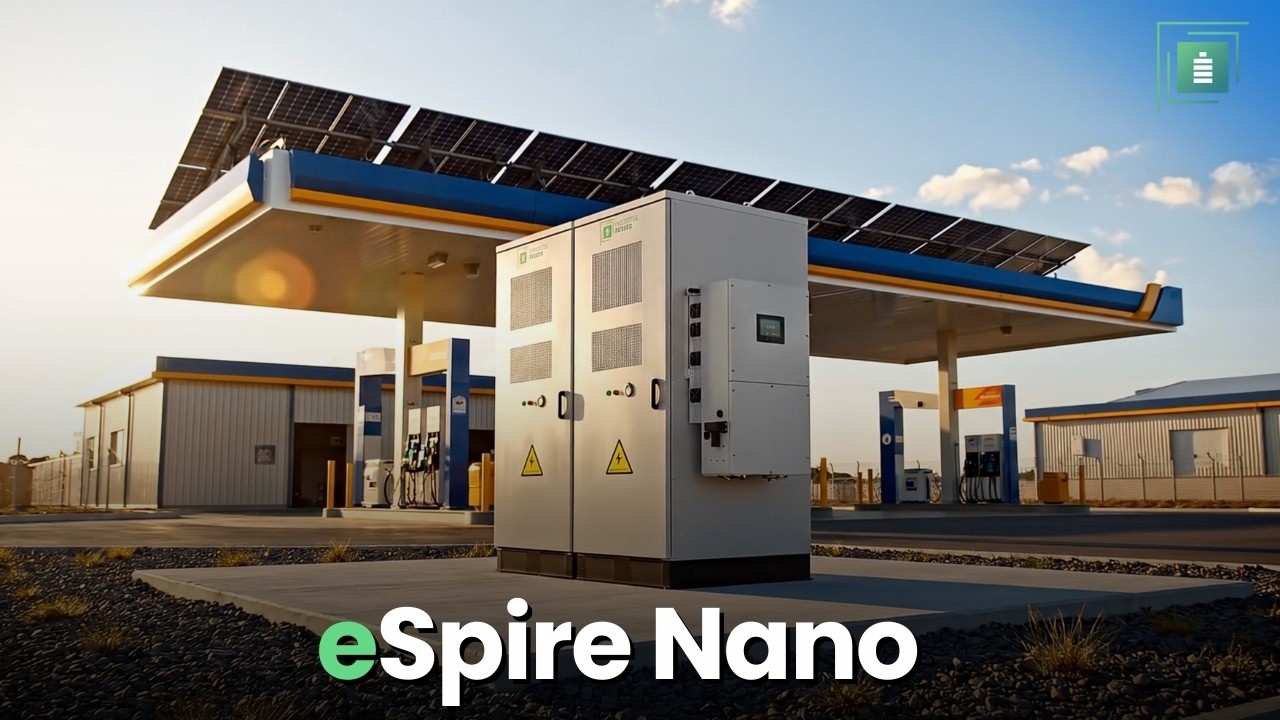
As commercial energy demands continue to rise, more businesses are looking for flexible, scalable storage solutions that are fast to deploy + easy to manage. That’s where the eSpire Nano comes in.

The eSpire Nano is Fortress Power’s compact, modular commercial energy storage system built for small to mid-sized projects. It’s designed to simplify deployment while still delivering the performance needed for real-world commercial applications.

One of the key decisions for installers and project developers will be choosing between the Standard Package, included at no additional cost, and the Pro EMS Package, available as an upgrade for projects requiring deeper optimization and control. Here’s how they compare.

What Is the eSpire Nano Designed For?

The eSpire Nano is built for:

  • Small to mid-sized commercial properties
  • Sites with limited space
  • Projects that need fast commissioning
  • Installers looking for repeatable, scalable deployments

Think retail, offices, agriculture, small industrial, and distributed portfolios. Guided commissioning in under 10 minutes helps reduce friction in the field and move crews faster from install to system operation.

eSpire Nano Standard Package: Simple, Fast, Effective 

The Standard Package supports straightforward deployments where simplicity and speed matter most.

  • Basic peak shaving
  • Standard time-of-use optimization
  • Projects without complex utility rate structures
  • Standard applications where fast deployment and core energy management functionality are priority
  • Faster installs with minimal configuration

What you get:

  • Guardian connectivity with cloud-based monitoring
  • Cloud dashboard, fleet management, alerts, and notifications
  • Standard device monitoring
  • Standard peak shaving and time-of-use optimization
  • Solar maximization with standard optimization logic
  • Tier 1 support for setup, configuration, and ongoing monitoring

This package is ideal when the goal is to get systems deployed quickly and operating reliably without heavy customization.

eSpire Nano Pro EMS Package: Advanced Control and Optimization

The Pro EMS Package builds on the Standard offering with deeper control, smarter optimization, and enterprise-level capabilities. Best for:

  • Complex utility rate structures
  • Demand charge optimization
  • Multi-site or portfolio management
  • Projects where ROI optimization is critical
  • Advanced commercial applications where energy strategy, utility optimization, and portfolio-level visibility play a larger role

What you get (in addition to Standard):

  • Keystone Controller Package with optional outdoor cabinet
  • Site-level metering through eGauge integration
  • Advanced peak shaving and time-of-use optimization logic
  • Expanded monitoring with support for up to six CT sets
  • Local data backup capabilities
  • Tier 2 technical support, including 20 hours of support for setup, configuration, optimization tuning, and ongoing monitoring

It also unlocks:

  • VPP integration readiness
  • Utility compliance reporting
  • Enterprise-level fleet optimization capabilities

This package supports projects that require more than just storage, especially when energy strategy directly impacts operating costs.

Standard vs Pro EMS: Which Should You Choose?

It comes down to project complexity and optimization needs. 

  • Choose Standard if you want a fast, reliable deployment with core functionality
  • Choose Pro EMS if your project requires advanced control, deeper insights, and maximum ROI optimization

Both packages are built on the same eSpire Nano platform, so the core hardware remains the same. The difference comes down to the level of monitoring, optimization, reporting, and energy management capabilities the project requires.

Why eSpire Nano Stands Out

The eSpire Nano isn’t just another commercial battery system. It’s built around what actually slows projects down in the field.

Commission System in Less Than 10 Minutes
A guided commissioning app allows installers to configure systems quickly and bring them online in just minutes.

Built-In Rapid Shutdown Transmitter
Nano includes a module-level rapid shutdown transmitter to simplify integration and meet safety requirements.

AC or DC Coupled Flexibility
Supports both AC-coupled and DC-coupled configurations for seamless solar integration.

Compact Commercial Footprint
Designed for tight commercial environments where space is limited.

Enterprise-Ready Scalability
Designed to support straightforward deployments and advanced energy management applications through flexible EMS package options.

Multi-Voltage Compatibility
Supports common commercial voltage environments including 208V, 220V, 240V, and 480V.

Your Gateway to the C&I Energy Storage Market

For installers, developers, and businesses looking to expand into distributed energy storage, the Nano opens the door to faster deployments and project opportunities. Coming Summer 2026. Discover more about the eSpire Nano here.