November 2026

Battery and Inverter Compatibility: Why It Matters for Home Energy Storage

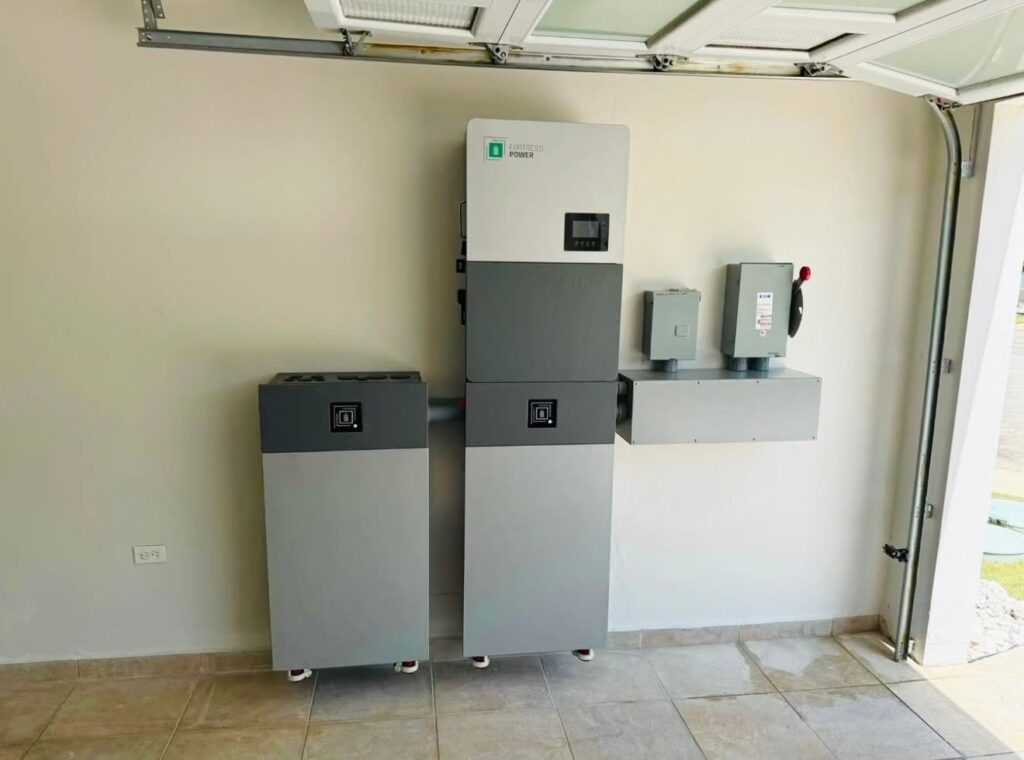
Choosing the right battery is an important part of building a reliable home energy storage system, but it’s only one piece of the equation. The inverter, monitoring technology, and supporting components all play a role in how effectively that stored energy is managed and delivered.

For homeowners investing in solar battery storage, battery and inverter compatibility can influence everything from installation and system performance to future expansion and long-term maintenance.

At Fortress Power, we believe energy storage should offer both flexibility and simplicity. That’s why our residential solutions combine an open battery ecosystem with the advantages of fully integrated systems, giving homeowners and installers more options without sacrificing compatibility.

Why Is Battery and Inverter Compatibility Important?

A home battery stores energy for later use, while a hybrid inverter manages how electricity moves between solar panels, battery storage, the home, and the utility grid. For these components to operate effectively together, they must be electrically compatible and support the appropriate communication and control functions.

When batteries and inverters are properly matched, they can work together to manage charging, discharging, and battery protection while supporting the home’s energy requirements. Compatibility also affects the installation experience. Pairing equipment that has already been tested together can help reduce communication issues, simplify system configuration, and minimize troubleshooting.

For homeowners, this can translate into a more dependable energy storage experience. For installers, it means greater confidence when designing, commissioning, and servicing systems.

Open vs. Integrated Energy Storage Systems: What’s the Difference?

Not every home energy storage installation starts from scratch. Some homeowners are building a complete solar-plus-storage system, while others want to add battery backup to an existing solar installation or expand their current energy storage capacity.

Understanding the difference between open and integrated energy storage systems can help determine which approach makes the most sense.

Open Energy Storage Systems

An open energy storage ecosystem provides flexibility by allowing batteries to operate with compatible equipment from other manufacturers. This can be particularly beneficial for solar retrofits, system upgrades, and installations where replacing existing equipment may not be necessary.

Our UL 9540 (3rd Edition) certified DC energy storage solutions support integration with a range of compatible third-party inverters, giving installers additional options when designing residential systems. Compatibility should always be verified for the specific battery, inverter, and system configuration before installation.

Fully Integrated Energy Storage Systems

An integrated energy storage system brings batteries, inverters, monitoring, and supporting technology together under one manufacturer. Rather than coordinating components from multiple suppliers, installers can work with equipment designed and tested to operate together. The Fortress Power ecosystem offers several advantages:

  • Pre-tested compatibility: Fortress batteries and inverters are designed to work together, helping simplify system integration.
  • Native system communication: Compatible components exchange operating information for coordinated energy management.
  • Simplified installation: Integrated equipment and app-guided commissioning help reduce installation complexity.
  • Unified monitoring: Connected systems provide visibility into inverter and battery performance.
  • Single-source support: One manufacturer provides a central point of contact for compatible system components.

With Fortress Power, installers can choose an integrated solution or take advantage of supported third-party compatibility based on the needs of each installation.

How Integrated Monitoring Improves Home Energy Storage

Battery and inverter compatibility extends beyond the physical equipment. Monitoring and connectivity are equally important for understanding system performance and managing stored energy.

Fortress Power’s Guardian connectivity platform connects supported battery systems to cloud-based monitoring, providing access to operating information such as state of charge, voltage, current, and temperature. This connectivity supports two dedicated applications designed for different users.

Fortress Power Owner App

The Fortress Power Owner App gives homeowners greater visibility into their energy storage systems. With a compatible, connected system, homeowners can monitor live energy flow, review battery state of charge, track performance history, and check backup readiness. Instead of relying solely on the inverter’s physical display, homeowners can access important system information directly from their phones.

Fortress Power Pro App

For installers, the Fortress Power Pro App provides tools to streamline commissioning, configuration, and ongoing system support. Features include guided commissioning workflows, remote firmware updates, technical support access, and secure diagnostic data sharing. Together, these tools help simplify energy storage management while reducing the need for unnecessary service visits.

Built for Today’s Needs and Tomorrow’s Possibilities

Energy needs evolve, and a well-designed storage system should be able to adapt. Fortress Power’s modular battery solutions, including the eBoost and eForce, allow homeowners to expand storage capacity as their requirements change, whether they’re adding solar panels, increasing backup capacity, or preparing for higher energy demands.

Connected systems can also open the door to additional opportunities. Through Fortress Power’s EnergyBroker program, eligible homeowners can participate in virtual power plant (VPP) programs and potentially earn utility incentives or bill credits by supporting the grid during periods of high demand. Participation depends on program availability and requires Guardian connectivity.

A More Connected Approach for Energy Storage

Battery and inverter compatibility is about more than making equipment work together. It’s about simplifying installation, improving system visibility, and creating flexibility for the future. Fortress Power brings batteries, hybrid inverters, monitoring, and energy management together in one ecosystem, while supporting compatible third-party equipment for greater installation flexibility.

Explore our residential energy storage solutions and discover the benefits of a connected energy storage ecosystem.
What Can Make or Break a Commercial & Industrial Energy Storage Project

What Can Make or Break a C&I Energy Storage Project?

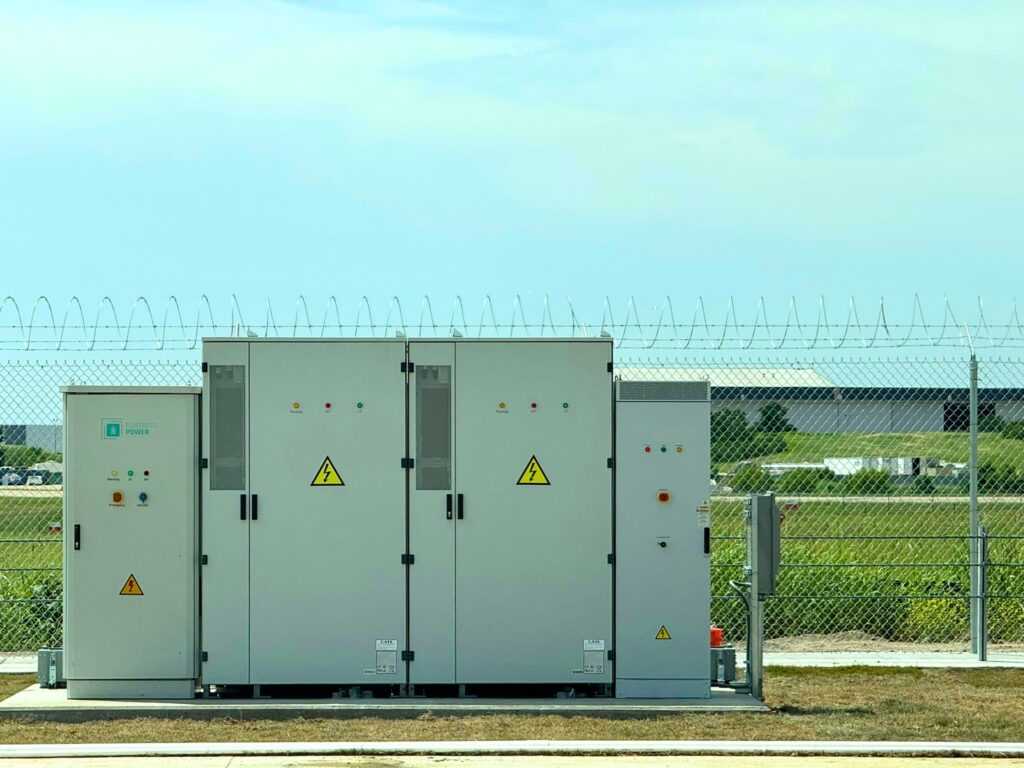
A successful commercial and industrial (C&I) energy storage project isn’t determined by battery capacity alone. Some of the decisions with the biggest impact happen well before equipment arrives on site.

Utility requirements, existing generation, system controls, equipment placement and even communications wiring can influence how a project is designed. Also, how smoothly it moves from planning to commissioning. For installers taking on C&I energy storage, addressing these details early can help reduce design changes, unexpected costs and project delays.

Start With the Site, Not the Battery

It can be tempting to begin a commercial battery project by looking at kilowatts and kilowatt-hours. System sizing is only one piece of the design.

Start by understanding what is already happening at the facility. Does the site have solar? An existing generator? EV charging? What loads need backup? What is the customer’s utility rate structure? Is the battery primarily intended for backup? Peak shaving? Time-of-use optimization? Or, a combination of applications?

These questions can change not only the size of the energy storage system, but also how it needs to connect to and operate within the site. For example, a facility focused on reducing demand charges may require a different operating strategy than one primarily concerned with backup power. A site with existing solar and a generator introduces additional decisions about how those resources should interact with the battery.

The earlier those goals and existing assets are identified, the easier it becomes to design the system around the actual site.

Understand Utility Requirements Early

Utility interconnection shouldn’t be something installers first think about when the system is ready to turn on. Depending on the utility and system design, interconnection requirements can affect metering, controls, export settings and other equipment included in the project. Existing generation behind the same utility meter can also influence how a new battery system is evaluated.

That makes it important to look at the complete site rather than treating the battery as an isolated addition. Addressing interconnection early can also uncover requirements that may otherwise appear much later in the project. 

Plan for Existing Energy Assets

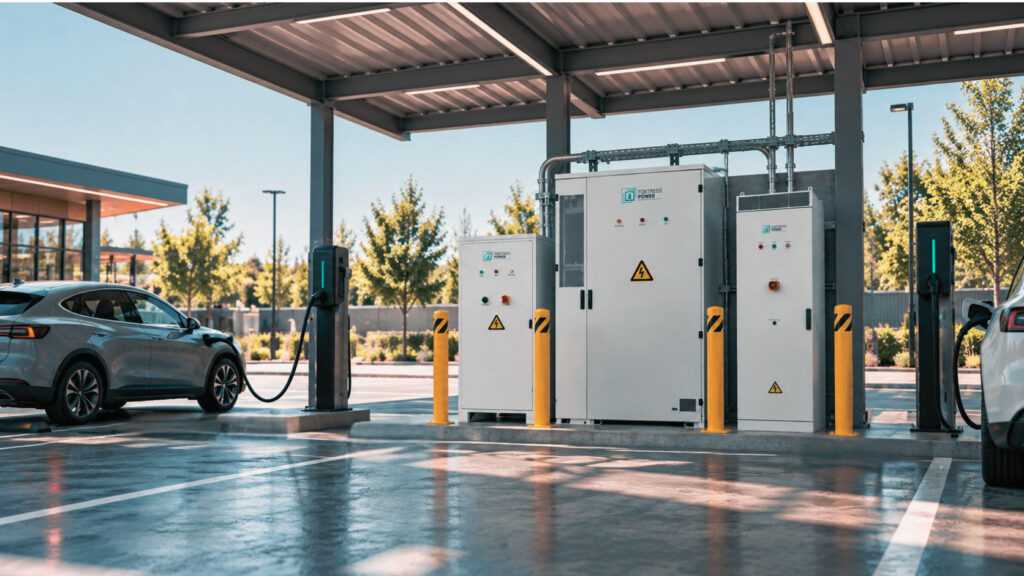
Commercial battery storage is often being added to a facility that already has energy equipment in place. Existing PV, generators, building loads and EV charging can all influence system architecture. The question isn’t simply whether these assets can connect — it’s how they need to work together.

Should solar remain available during backup? Should an existing generator be able to charge the batteries? Does the customer need to maintain a certain battery reserve for outages while also using stored energy to manage demand? As the number of assets grows, controls become an increasingly important part of the project. An energy management system (EMS) or microgrid controller can help coordinate batteries with other distributed energy resources around the site’s operating priorities.

Thinking through those interactions during design can prevent installers from discovering later that the original system architecture doesn’t support what the customer actually wants to accomplish.

Don’t Treat Permitting as an Afterthought

Where equipment is installed can have a major impact on how a C&I energy storage project moves through permitting. Battery capacity, spacing, proximity to buildings and property lines, indoor versus outdoor placement and available fire-testing documentation can all factor into an authority having jurisdiction (AHJ) review.

A location that looks convenient on a site plan may therefore create additional requirements once fire-code considerations are taken into account. Reviewing these requirements before finalizing equipment placement gives installers and engineers an opportunity to address potential issues during design instead rather than making changes after plans have already been submitted.

Plan the Controls and Communications

Not every critical component of a C&I battery installation is large or obvious. Meters, current transformers (CTs), controllers and communications connections provide the information a system may need to monitor loads, coordinate assets and execute its energy strategy. Their locations and wiring should be accounted for in the system design and single-line diagrams.

Something as simple as a missing communications cable or conduit can become a problem when commissioning begins. In more advanced microgrid applications, controls may also need to coordinate meters, relays, breakers and other site equipment. Planning these pieces alongside the power equipment can help avoid additional fieldwork later.

Prepare for Commissioning Before Installation Is Finished

Commissioning may happen near the end of a project, but preparing for it shouldn’t. Before the commissioning team arrives, installers should confirm that the physical installation matches the approved design, required meters and CTs are installed correctly, communications wiring is complete and the necessary equipment is ready to operate.

Pre-commissioning reviews provide an opportunity to identify missing components or wiring while they can still be addressed without bringing the project to a stop. The goal is simple: when commissioning begins, the system should be ready to commission. Not ready to uncover what was missed during installation.

A Better C&I Project Starts Earlier

Many of the issues that can complicate a C&I energy storage project don’t begin at installation. They begin with decisions made — or overlooked — during planning.

Understanding the site’s energy goals, existing assets, utility requirements, permitting considerations, controls and commissioning needs early gives installers a more complete picture of the project before work begins. As commercial energy storage systems become more sophisticated, that upfront planning becomes just as important as selecting the battery itself.

Fortress Power supports C&I projects from system design through commissioning, helping installers navigate the equipment, controls and project requirements that come with commercial energy storage.

Have a C&I energy storage project in the pipeline? Talk to Fortress Power about your project requirements and find the right path forward.

Domestic Content vs. FEOC Compliance: What C&I Installers Need to Know

As commercial and industrial (C&I) energy storage projects expand, equipment selection involves more than battery capacity and performance. For EPCs and installers, understanding domestic content and Foreign Entity of Concern (FEOC) requirements is increasingly important when evaluating federal tax credit eligibility and project costs.

While both influence energy storage procurement decisions, domestic content and FEOC compliance serve different purposes. Understanding these distinctions can help project teams select equipment, evaluate incentives, and avoid costly changes during development.

What’s the Difference Between Domestic Content and FEOC Compliance?

Both requirements address equipment sourcing, but they affect federal clean energy tax credits in different ways.

Domestic Content: Opportunities for Additional Tax Credits

Domestic content requirements encourage the use of qualifying U.S.-produced steel, iron, and manufactured products in clean energy projects. Eligible commercial energy storage installations that meet these requirements may qualify for a domestic content bonus credit, increasing the potential federal Investment Tax Credit (ITC).

However, eligibility depends on the entire project configuration, applicable sourcing thresholds, and supporting documentation, not simply the selection of an individual battery system. For EPCs, evaluating domestic content requirements early can help identify additional incentive opportunities and improve project financial planning.

FEOC Compliance: Protecting Tax Credit Eligibility

Foreign Entity of Concern (FEOC) requirements address restrictions associated with certain foreign entities and clean energy supply chains. Unlike domestic content incentives, applicable foreign entity restrictions can affect a project’s eligibility for federal clean energy tax credits. For commercial battery storage projects, this makes equipment sourcing, manufacturer documentation, and supply chain transparency important considerations.

The key difference: Domestic content requirements may help projects qualify for additional tax credit benefits, while applicable foreign entity restrictions can determine whether projects remain eligible for underlying incentives.

Why Compliance Matters for C&I Energy Storage Projects

Federal incentives can significantly influence the financial viability of commercial battery storage installations. For EPCs and developers, understanding compliance requirements before finalizing equipment selections can help:

  • Maximize incentive opportunities: Identify applicable tax credits and potential bonus adders.
  • Simplify project planning: Evaluate sourcing requirements before equipment procurement.
  • Reduce project delays: Minimize last-minute equipment changes or documentation issues.
  • Improve financial modeling: Develop more accurate estimates of project costs and potential returns.

Considering these requirements during initial system design helps align equipment selection with both operational and financial goals.

Fortress Power’s Domestic Content and FEOC-Compliant Energy Storage Systems

Fortress Power offers commercial and industrial battery storage solutions designed to support different project requirements, including domestic content and FEOC considerations.

eSpire 211: Designed for Domestic Content Qualification

The eSpire 211 is engineered to support domestic content qualification for eligible C&I energy storage projects. Available in 120, 150, 180, and 211 kWh configurations, the system scales up to approximately 1.7 MWh. Its flexible capacity options and operating temperature range of -40°F to 131°F make it suitable for commercial facilities, schools, municipal installations, and demanding climates. For EPCs pursuing domestic content incentives, the eSpire 211 provides a scalable battery storage option designed with these requirements in mind.

eSpire 290 FC: FEOC-Compliant Commercial Energy Storage

The eSpire 290 FC is a liquid-cooled commercial battery storage system positioned for FEOC compliance. With 289.3 kWh per cabinet and scalability up to 5.8 MWh, the system supports larger C&I applications, including peak shaving, backup power, and grid services. Its integrated design combines battery storage, power conversion, controls, and thermal management to simplify deployment while supporting eligible project sourcing requirements.

Plan Your Next C&I Energy Storage Project

Understanding domestic content and FEOC requirements is an important step in selecting commercial battery storage equipment. Evaluating compliance alongside system performance, capacity, and project economics helps EPCs make informed decisions from the start.

With domestic content and FEOC-compliant options across its C&I portfolio, Fortress Power helps project teams identify energy storage solutions aligned with their operational needs and incentive goals.

Use our C&I Project Checklist to gather the key information our team needs to evaluate your site and start building the right energy storage solution.

Fortress Power Announces FEOC-Compliant Storage Solutions for Commercial Projects and Residential TPO Partners

New Commercial and Residential Energy Storage Products Are Eligible for the 30% Federal Investment Tax Credit

Langhorne, PA – November 3, 2026: Fortress Power, a leading manufacturer of advanced energy storage solutions, today announced its FEOC-compliant eSpire 290 FC and eBoost FC energy storage systems, designed to support qualifying projects seeking the 30% federal Investment Tax Credit (ITC).

The eSpire 290 FC serves 480V commercial projects, while the eBoost FC supports residential third-party ownership (TPO) partners and smaller 208V three-phase applications. Together, the products give installers, developers, and financing partners storage options ranging from 16 kWh to approximately 3.5 MWh.

As federal clean energy tax credit requirements evolve, sourcing equipment that meets applicable prohibited foreign entity and material assistance requirements has become a critical consideration for project developers and financing partners. Fortress Power developed the eSpire 290 FC and eBoost FC to help address these requirements while delivering the performance, safety, and reliability customers expect.

eSpire 290 FC: Turnkey Storage for 480V Commercial Projects

The eSpire 290 FC is a liquid-cooled, turnkey commercial and industrial energy storage system that combines a 289 kWh battery cabinet, a 125 kW power conversion system (PCS), and a Microgrid Control Cabinet, which houses the Fortress Power Keystone EMS software and controller. Keystone EMS coordinates solar, generators, EV chargers, and utility power to support site energy management and resiliency. It helps reduce demand charges and optimize energy use under complex utility rate structures, lowering electricity costs and maximizing return on investment. With up to 12 units operating in parallel, the system scales to approximately 3.5 MWh.

The eSpire 290 FC arrives pre-configured with the PCS, battery racks, battery management system (BMS), liquid cooling, fire detection, and an outdoor-rated enclosure. Applications include schools, municipal facilities, hospitals, grocery and convenience stores, EV charging stations, cold storage facilities, warehouses, and manufacturing facilities.

eBoost FC: Modular Storage for Residential TPO and Smaller Commercial Applications

The eBoost FC is a modular 16 kWh energy storage system designed for residential lease and power purchase agreement (PPA) providers, as well as smaller 208V three-phase applications when paired with compatible power conversion equipment. Featuring an IP65-rated enclosure, internal heaters, and an aerogel thermal barrier, the eBoost FC is built for reliable operation in harsh weather conditions. Rated for 8,000 cycles and backed by a 10-year warranty, the eBoost FC will be available beginning January 2027.

Tax credit eligibility depends on the project, taxpayer, ownership structure, and satisfaction of all applicable requirements. Equipment compliance alone does not guarantee eligibility for the 30% ITC.

For more information about the eSpire 290 FC, eBoost FC, and Fortress Power’s FEOC-compliant energy storage solutions, visit www.fortresspower.com.

Fortress Power will also be exhibiting at RE+ 2026 in Las Vegas from November 17-19, 2026 at booth #C6832 in the Central Hall, where you can learn about the new FEOC-Compliant products and more.

###

Fortress Power is a U.S.-based energy storage company that has provided smart energy storage solutions for residential and commercial applications since 2016. Combining advanced battery technology with intelligent energy management software, Fortress Power helps homeowners and businesses reduce energy costs, strengthen resiliency, and maximize the value of their energy systems.

Media Contact:
Anthony Pingicer
Marketing Director
Fortress Power
[email protected]
877-497-6937