
A Homeowner’s Guide to Rising Energy Costs
If your electric bill has been creeping up, you’re not alone. Across the country, homeowners are seeing higher monthly energy costs, even when their usage hasn’t changed. While the causes are complex, the takeaway is simple: electricity is getting more expensive, and it’s not slowing down.
Why Electric Bills Are Increasing
- Rising utility rates
Utilities continue to raise prices to support grid upgrades, maintenance, and rising fuel costs. - Peak demand pricing
Electricity costs more during high-demand hours, typically in the late afternoon and evening when homes are using the most energy. - More energy use at home
From EV charging to remote work and smart devices, households are consuming more electricity than ever before. - Weather-driven demand
Longer heat waves and colder winters mean HVAC systems are running more often, increasing overall usage.
What You Can Do About It
- Be more strategic with energy use
Shifting when you use electricity can help reduce costs, but it doesn’t fully protect you from rising rates. - Add solar power
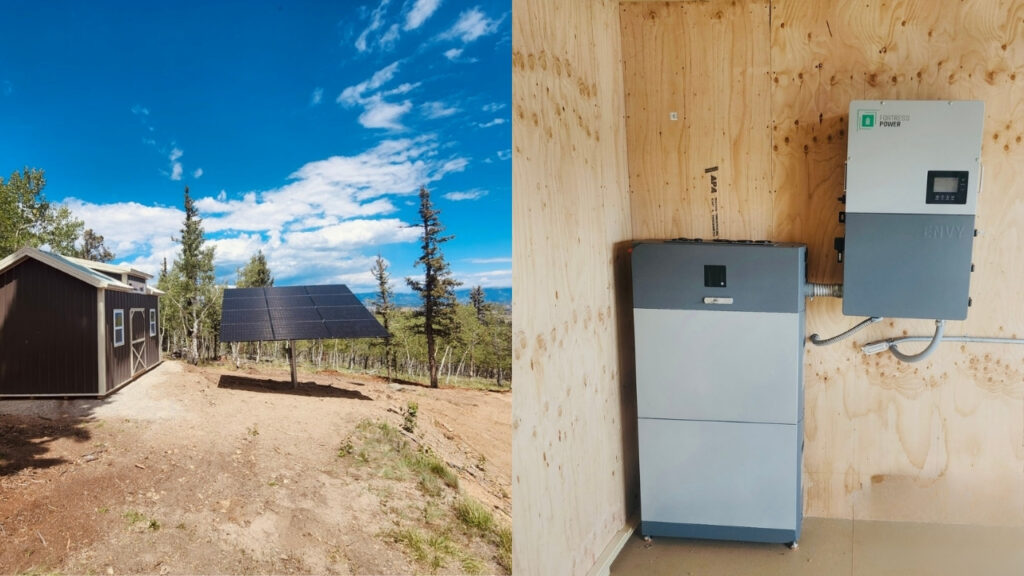
Solar allows you to generate your own energy during the day, reducing reliance on the grid. But without storage, you may still need to buy power at higher rates later on. - Add battery storage
Battery storage gives you control over when you use energy so you can avoid peak pricing, store excess solar, and keep your home running during outages.
Go Beyond Savings: Turn Your System Into an Asset
For many homeowners, energy storage is no longer just about backup power. Its about unlocking additional value. With the Fortress Power EnergyBroker program, your solar and battery system can become a source of extra income.
EnergyBroker connects your system with your local utility, allowing your stored energy to support the grid when demand is highest — while helping you earn incentives in return. Here’s how it works:
- Recurring revenue
Earn upfront and ongoing performance incentives by allowing your battery to participate in grid services. - Seamless integration
Works directly with Fortress Power systems and Guardian monitoring—no additional hardware required. - Utility partnerships
Active across multiple locations (including 16 states plus Puerto Rico) with both pilot programs and long-term utility contracts. - Grid support & resilience
Helps reduce peak demand and stabilize the grid, contributing to a more reliable and sustainable energy system. EnergyBroker also optimizes when your stored energy is used, whether that’s lowering your bill or generating additional earnings.
Take Control with Fortress Power
Fortress Power solutions are designed to give homeowners more control over their energy without adding complexity. With the right system in place, you can:
- Reduce dependence on the grid
- Avoid high peak-time rates
- Keep your home powered during outages
- Participate in programs like EnergyBroker to maximize system value
Built on safe, reliable lithium iron phosphate (LFP) technology, Fortress Power systems are engineered for long-term performance and peace of mind.
Electric bills are rising, but homeowners now have more options than ever. By combining solar, battery storage, and smart programs like EnergyBroker, you can reduce your costs, improve your home’s resilience, and even create new value from the energy you store.
Ready to Learn More?
Discover how Fortress Power can help you take control of your energy and get more from every kilowatt-hour. Get started today.